
The modern crisis of identity
It has never been easy to answer the question ‘Who am I?’ but increasing social pluralism, the fast-changing world of social media, and easy access to cosmetic surgery make it more difficult than ever

It has never been easy to answer the question ‘Who am I?’ but increasing social pluralism, the fast-changing world of social media, and easy access to cosmetic surgery make it more difficult than ever

The ‘risk society’ that we live in has increasingly structured itself around attempting to manage an uncertain future.

The broad and pervasive ‘trend away from marriage’ has far-reaching implications for society as a whole, as well as for Christians who come under pressure to conform to cultural standards.

The Christian’s conscience is increasingly set in opposition to some of the values and political aims of wider Western culture.

British higher education is increasingly secular in outlook. This paper identifies three aspects of that secularity: specialisation, instrumentalisation and globalisation.

During the recent financial crisis, governments borrowed as if they were fighting a world war. They have struggled to reduce deficits.

The ethical foundations which underpin the wildlife conservation movement face a crisis: what gives nature its value?
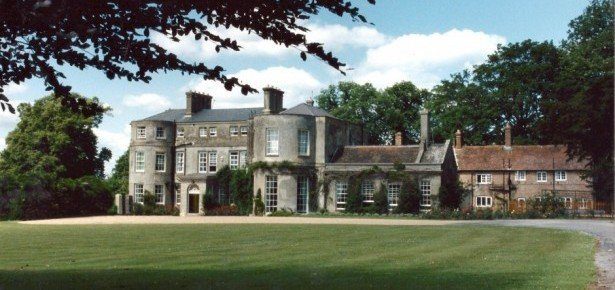
The Newick Park Initiative (NPI) in South Africa was a Christian initiative which helped to build the trust and a shared national vision.
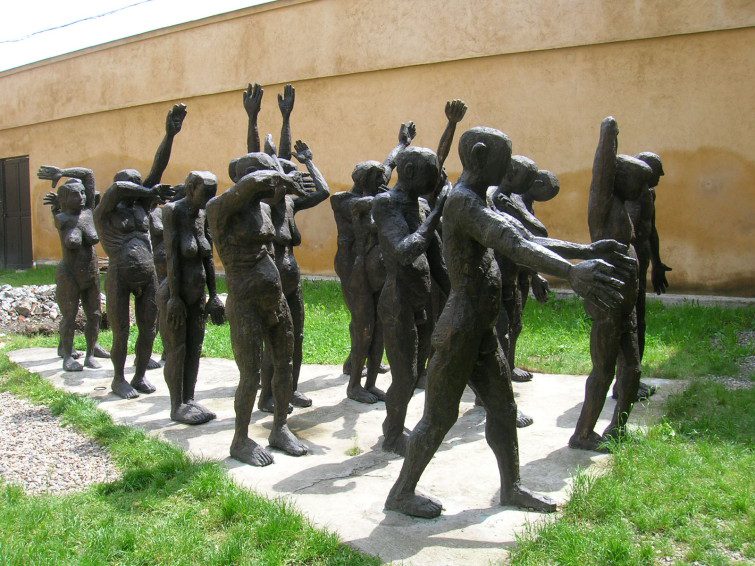
This paper considers the pastoral and political role of biblical lament in the Christian life. The theology and practice of lament is often neglected in congregations.

For more than half a century (roughly 1880–1940) it was widely believed that heredity determined race, class, mental health, and intelligence.