The genetic revolution is upon us
In 2010 geneticist J. Craig Venter announced the production of a synthetic life form – the first organism ever made to human design.[1]Gibson, D. G. et al., ‘Creation of a Bacterial Cell Controlled by a Chemically Synthesized Genome’, Science, 329 (2010), pp.52–56. DOI: 10.1126/science.1190719. Venter had looked forward to the day ‘when one DNA-based species can sit down at a computer to design another’.[2]Venter, J. C., A Life Decoded: My Genome: My Life (Penguin, 2008). Today the technology to create novel life is indeed at our fingertips.
DNA is the biological foundation of life on Earth, often popularly referred to as the ‘code of life’. In turn, genetics is the study of how DNA is translated into living organisms and is transmitted across generations.[3]The way the DNA of an organism (its genome) results in the formation and reproduction of life is complex. DNA undergoes chemical modifications, referred to as epigenetic changes, that modulate gene … Continue reading Within one generation progress in genetics combined with the development of associated technologies has given human beings unprecedented power to read, copy, edit and store DNA sequences.
Advances in genetics already permeate many areas of life including family, health and social care, justice and the environment. In each the technology offers benefits while raising deep moral and ethical dilemmas.
Given its fundamental importance and power, genetics ranks alongside artificial intelligence and climate change in its potential to shape the future of humanity in the twenty-first century. However, the attention and ethical debate generated by the latter two topics dwarfs the former. Given its broad scope, speed of development and transformative potential this oversight is unwise.
The genetic revolution has arrived. In response, humanity must decide how to apply and direct its powers. This paper calls for Christians to actively participate in the debate in order to shape this new genetic age.
Relationships: a framework for evaluating genetic advances
A framework is needed within which to evaluate the potential benefits and risks of genetic advances. This is challenging in an era of globalisation and pluralistic societies, which represent a range of priorities and values. In addition, the science is complex and dynamic, requiring a flexible approach able to respond rapidly to fresh applications.
I have proposed evaluating genetic advances through the lens of relationships, across four major categories: self, family, society and the world.[4]Wild, C. P., Unravelling DNA: Applying Christian Values to a Genetic Age (GBJ Books, 2025). This ‘relationship test’ provides common ground for debate given relationships are universal and central to being human. Furthermore, God is relational – Father, Son and Spirit. Made in his image and likeness (imago Dei),[5]Gen. 1:27. it is through relationships, with each other and the world around us, that we bear witness to God’s nature. Anything that alters our core relationships should be closely scrutinised.
Genetics changes relationships
The following sections provide examples where reading, copying, editing or storing the genetic code exert an influence on the four categories of relationship.
Self
Our relationship with self (how we see ourselves) helps shape us, influencing self-image and self-worth. Some genetic advances strike at this core sense of self, posing questions about a person’s value, purpose and place in the world.
DNA and many of our genes are in common with other species; we are made from the same ‘dust of the ground’.[6]Gen. 2:7 and 3:19. Unfortunately this observation combined with Neo-Darwinian viewpoints has been used to argue human beings are nothing special, resulting in a ‘humbling of man’.[7]Appleyard, B., Understanding the Present : Science and the Soul of Modern Man (Picador, 1992). On a personal level this reasoning may lessen self-worth and sense of purpose; on a societal level it may diminish the value and dignity assigned to human life in general.
In contrast, the Bible reveals a purposeful universe with human beings of central importance. Value is bestowed by God, not our genome.[8]Gen. 1:27; Ps. 8:5. The incarnation affirms the special nature of human beings.[9]Gal. 4:4–5; Phil. 2:8. DNA is part of who we are but far from all we are. Moreover, our detailed genetic make-up is providing fascinating hints of specialness. Notably, differences between humans, Neanderthals and primates are found in genes associated with brain development and complexity, implicated in uniquely human characteristics.[10]‘Genes linked to self-awareness in modern humans were less common in Neanderthals’, Scientific American (10 May 2021) … Continue reading
What of the genetic differences between human beings? The genome of every individual who has lived, is living or will live is unique. Yet overall human beings are remarkably similar, with a DNA sequence difference of less than one per cent between any two people worldwide.[11]<https://www.genome.gov/about-genomics/educational-resources/fact-sheets/human-genomic-variation>. Often estimates state a 0.1% difference, referring only to single-letter DNA sequence changes. … Continue reading This similarity speaks of equality not hierarchy or superiority. We find no justification for a new eugenics. Genetic relatedness is even greater among family members. Familial connection provides a sense of place in the world, anchoring us within a web of relationships that reinforce self-identity. The importance of belonging resonates with the biblical significance given to genealogies.[12]Matt. 1:1–17.
Genetic influence has its limits. James Watson, co-discoverer of the DNA double helix structure, claimed that in large measure: ‘our fate is in our genes.’[13]Time Magazine (20 March 1989). Even today there is a persistent, mistaken view that genetic make-up strongly affects our decision-making.[14]Alexander, D. R., Genes, Determinism and God (Cambridge University Press, 2017); Alexander, D. R., Are We Slaves to Our Genes? (Cambridge University Press, 2020). This belief in genetic determinism can erode responsibility and accountability, reducing dignity and self-worth. There are spiritual ramifications too, notably a risk of a diminished awareness of guilt and the need for forgiveness and redemption in Christ Jesus.[15]Rom. 3:23–24.
Family
Families should provide a safe and nurturing environment for all members, especially children. However, genetics has significant potential to fundamentally alter family relationships.
Tens of millions have had their DNA sequenced to explore origins – some families have been reunited but others have been shaken to the core, with assumed biological relationships revealed to be erroneous.[16]<https://www.bbc.co.uk/news/articles/ce3kv2zl48po>. Furthermore, your DNA reveals something about your relatives, including their relationships and risk of inherited disease. Clinicians and wider society are at an early phase of resolving questions of collective genetic privacy and confidentiality.[17]Royal College of Physicians, Royal College of Pathologists and British Society for Genetic Medicine, Consent and confidentiality in genomic medicine: Guidance on the use of genetic and genomic … Continue reading
Pre-marital testing is used in some countries and ethnic groups to check whether a couple is at a high risk of having children with a genetic disorder, thus potentially affecting choice of lifelong partner.[18]Alblooshi, K., et al., ‘Citywide premarital genomic screening in a Middle Eastern population’. Nature Medicine, 32 (2026), pp.1511–1518. DOI: 10.1038/s41591-026-04251-7. The Dor Yeshorim … Continue reading This type of genetic data should be provided to couples for consideration, but never used in a coercive manner by state authorities.
Pre-implantation genetic testing during IVF is increasingly used to exclude and discard embryos with genetic disorders. Furthermore, genetic testing is broadening beyond disease avoidance, with some US companies marketing selection for ‘desirable features’.[19]These tests provide a polygenic score, based on genetic variation at multiple sites across the genome with limited validity. See Turley P, et al., ‘Problems with Using Polygenic Scores to Select … Continue reading In 2021 Aurea Smigrodzki was the first child born after being selected among five available embryos by her father, based on claims she had a lower predisposition to chronic diseases.[20]<https://www.theguardian.com/science/2021/oct/17/polygenic-screening-of-embryos-is-here-but-is-it-ethical>.
In this context of reproduction and parenthood, genetic advances implicitly point to a fresh consideration of the nature, moral and ethical status of the embryo. Relevant advances include mixtures of human and gene-edited animal cells (chimeric embryos);[21]Leslie, M., ‘Lab-grown embryos mix human and monkey cells for the first time’, Science (15 April 2021) … Continue reading genetically reprogrammed skin cells that yield sperm and eggs (in vitro gametogenesis);[22]Ledford, H., ‘Lab-grown sperm: scientists inch closer to fertility breakthrough’. Nature, 655 (2026), pp.827–828. DOI: 10.1038/d41586-026-02172-6. and novel stem cell models (‘synthetic embryos’).[23] Ball, P., ‘Most advanced synthetic human embryo models yet spark controversy’. Nature, 618 (2023), pp.653–654. DOI: 10.1038/d41586-023-01992-0.
Christians view children as a gift and blessing from God.[24]Ps. 127:3. A child is a unique blend of two parents, all three of equal value. However, some advances introduce a novel degree of parental control over the child, potentially shifting the emphasis from gift to commodity. This could place burdens of expectation on the child, while diminishing the unconditional acceptance and love of their parents.
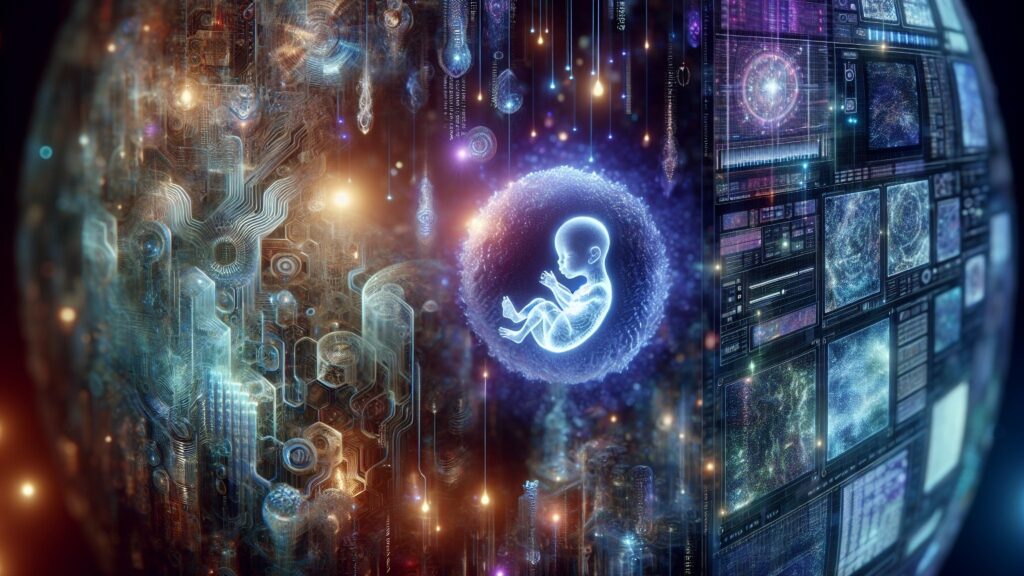
Photo credit: Shutterstock AI Generator
Society
A healthy society values its members, treats them equally, protects and cares for those in need, allowing all to flourish. Christians face the overarching call from Jesus to ‘love your neighbour as yourself’.[25] Matt. 22:39. Genetic advances should tally with these principles, while combatting division or discrimination.
Genetics brings undoubted societal benefits. For example, genetic testing promises improved healthcare through personalising individual disease prevention or treatment. In 2021, five-month-old Arthur Morgan was progressively losing the use of his muscles because of a rare genetic disease, spinal muscular dystrophy. His life was transformed by a single injection of an edited version of his faulty gene.[26]<https://www.bbc.co.uk/news/uk-57309613>. Sufferers of other genetic disorders are also being given hope by this new generation of gene therapies.[27]Wiggleton-Little, J., et al., ‘Transformed but Not Cured: The Ethics of Describing Gene-Editing Therapy for Sickle Cell Disease,’ Hastings Center Report 56(3) (2026), pp.9–14. DOI: … Continue reading
Beyond treatment of patients lies the possibility of editing embryos, sperm or egg cells (heritable human genome editing) to correct disease-causing mutations – more controversial is the potential to introduce perceived genetic enhancements.[28]Genetic enhancement will fail because traits are influenced by gene–environment interactions and genetic variations at hundreds or thousands of genomic locations. But that may not stop people … Continue reading Internationally, heritable human genome editing is condemned as unsafe,[29]National Academies, Heritable Human Genome Editing (2020) <https://www.nationalacademies.org/read/25665/chapter/1>. but ethical challenges will arise as precision and safety improve. In the extreme, gene editing may serve the transhumanist vision of a post-human species, inevitably leading to separation and division within society.
Genetic testing permits categorisation, therefore raising the risk of discrimination, stigmatisation or marginalisation. Without regulation this could manifest in reduced access to insurance, employment or education, or by devaluation of those with genetic disabilities.[30]Seaver, L.H., et al., ‘Points to consider to avoid unfair discrimination and the misuse of genetic information: A statement of the American College of Medical Genetics and Genomics (ACMG)’, … Continue reading It is noteworthy that Arthur Morgan’s condition is one of over 2,000 approved by the UK government for pre-implantation genetic testing to eliminate affected embryos.[31]<https://www.hfea.gov.uk/pgt-m-conditions/>.
As each person’s genetic code is unique, reading the code is a way to establish identity.[32]Monozygotic twins are the exception, sharing an identical genome at birth. The specific testing methodologies used to establish identity must be evaluated for their reliability. Ryan Headley, aged 92, learned this to his cost when convicted of having murdered Louisa Dunne nearly 60 years earlier.[33]<https://www.cps.gov.uk/south-west/news/92-year-old-man-jailed-life-1967-cold-case-murder>. Aside from apprehending criminals, the technology has allowed families to be reunited, including parents and children in immigration cases, and the identification of victims of war or terrorism.
On a related note, DNA databases are proliferating at an astonishing pace. Over eighty countries operate forensic DNA databases, while millions of people are part of ancestry databases or included in research projects; my DNA is part of the 500,000-person UK Biobank study, which has resulted in a remarkable 18,000 scientific publications.[34]<https://www.ukbiobank.ac.uk/>.
DNA databases are not going away. The UK government’s plan is for every newborn’s genome to be sequenced and stored.[35]Fit for the Future (2025). <https://assets.publishing.service.gov.uk/media/6888a0b1a11f859994409147/fit-for-the-future-10-year-health-plan-for-england.pdf>. China will collect DNA from up to 70 million men, permitting every individual to be traced back to his family or ethnic group.[36]<https://www.nytimes.com/2020/06/17/world/asia/China-DNA-surveillance.html>. Large-scale DNA databases have massive commercial value.[37]<https://www.bbc.co.uk/news/articles/c0ln0e5g6kgo>. This digital commodification presents significant ethical challenges linked to civil liberties, data confidentiality, security and access. Far greater consultation is required to maximise collective benefits and mitigate risks.[38]Wild, C. P., ‘DNA databases: Toward Service, Not Servitude’, BioLogos (17March 2026). <https://biologos.org/articles/dna-databases-toward-service-not-servitude>.
The Bible is clear on the moral equality of all people, with a call to love our neighbour and protect the vulnerable.[39]Matt. 22:39; Ps. 82:3. If misused, genetics could lead to the opposite: a society characterised by exploitation, inequality, discrimination, prejudice and division.
World
The world is a ‘very good’ part of God’s creation and therefore is of immeasurable value.[40]Gen. 1:31. It is a common heritage, whose resources should be used in a sustainable and equitable manner. Human beings are to be caring, responsible and accountable stewards.[41]Gen. 1:28. Into this context arrive genetic technologies, yielding the power to edit the genomes of all of life.
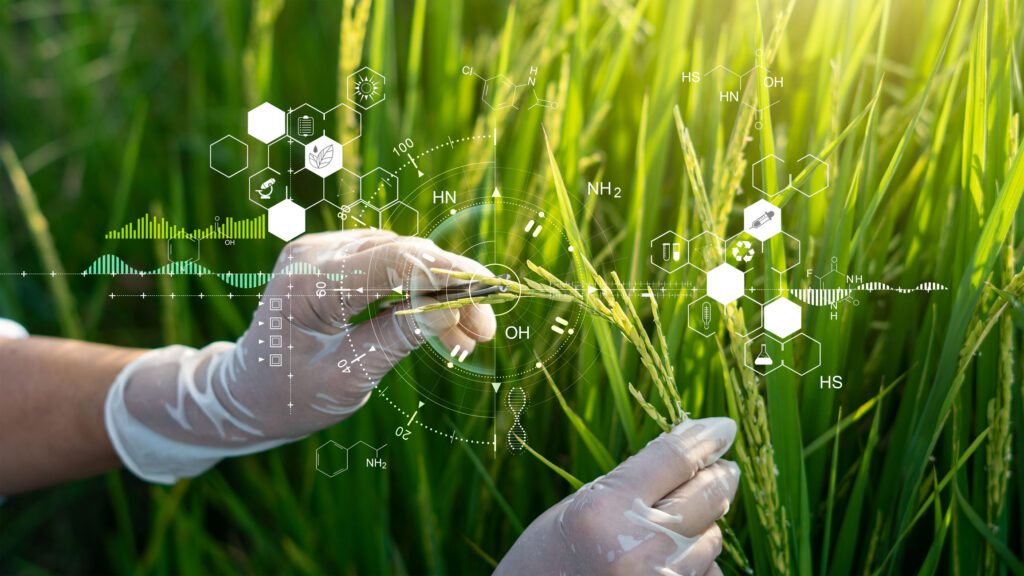
Benefits can flow from gene editing microorganisms, plants or animals, to produce medicines, mitigate food insecurity or preserve endangered species. New technologies can be applied in ways consistent with restoration of a damaged world or provision of shared global benefits, but not where there is excessive focus on control and profit.
Genetically-modified (GM) crops are ever more widespread,[42]‘What GM crops are currently being grown and where?’ <https://royalsociety.org/news-resources/projects/gm-plants/what-gm-crops-are-currently-being-grown-and-where/>.promising to counter food insecurity and climate change. But there are biosafety concerns and fears of biodiversity loss. Moreover, patented seeds (GM and non-GM) are owned by a handful of multinational agribusinesses, creating a potential power imbalance with farmers. Biopiracy raises additional accusations of profiteering and exploitation, with less wealthy nations losing their genetic resources to wealthier ones.[43]Imran, Y. et al., ‘Biopiracy: Abolish Corporate Hijacking of Indigenous Medicinal Entities’, The Scientific World Journal (19 February 2021). DOI: 10.1155/2021/8898842.
Gene drive technology seeks to eliminate ‘undesirable’ organisms, such as malaria-carrying mosquitos, yet raises fears of resulting ecological imbalances.[44]Naidoo, K., Oliver, S.V., ‘Gene drives: an alternative approach to malaria control?’, Gene Therapy 32(2025), pp.25–37. DOI: 10.1038/s41434-024-00468-8. More sinister is the potential for a malign combination of AI and genetics, yielding next-generation bioweapons through gain-of-function edits to existing pathogens.[45]Sharma A., et al., ‘Next generation agents (synthetic agents): Emerging threats and challenges in detection, protection, and decontamination’, in Flora, S. J. S. and Pachauri, V. (eds.), Handbook … Continue reading
The purposes and motives of those implementing genetic technologies should be judged in light of who benefits, protecting the interests of the weak and vulnerable. Christians must promote actions that are in accord with the commandment to love our neighbour. This includes avoiding over-exploitation, pollution or destruction of the world’s resources for people now and in the future.
From values to action
Humanity has the tools to read, copy, edit and store the code of life. However, the moral and ethical dimensions of the genetic revolution have lagged behind the science. This disconnect, between knowing what can be done and deciding what ought to be done, is dangerous. There is a pressing need for greater consensus on how to reap the benefits while avoiding the harms.
Christians are the ‘salt of the earth’ and ‘light of the world’, called to positively and visibly influence society for the common good, ultimately to the glory of God.[46]Matt. 5:13–16. Therefore, individual Christians, churches and Christian organisations have a duty to bring their values into the marketplace of ideas when genetic technologies are discussed. Among others these include the sanctity and dignity of human life, equality, compassion, solidarity, mutuality and justice, and care for creation. Active Christian engagement may be helped by a growing awareness that many core Western values are rooted in the Christian faith.[47]Holland, T., Dominion: How the Christian Revolution Remade the World (Basic Books, 2019).
Despite shared values and the clear biblical call for the Church to seek unity of mind and judgement,[48]1 Cor. 1:10. on occasion different perspectives and viewpoints will emerge from church denominations, organisations or ecumenical groups, following their internal decision-making processes.[49]The Catholic church’s official teachings are articulated by the Pope and bishops (the Magisterium) via encyclicals and declarations. The Orthodox Church has local autocephalous churches and the … Continue reading Nevertheless, points of convergence rooted in shared values are possible.[50]See collaboration between the World Council of Churches and Globethics <https://globethics.net/>. Sometimes Christian positions may resonate widely, at other times they may represent a minority opinion, for example concerning genetic technologies linked to reproduction. In these instances Christians must remember the biblical warning ‘do not conform to the pattern of this world’ but ‘test and approve what God’s will is’.[51]Rom. 12:2.
Christian values can be fed into the relationships test, enabling a relevant, structured, value-based response to be developed by a) establishing the general context of a genetic advance, including the technology used, the claims and contentious areas; b) identifying the values of relevance, assessing whether they are being respected or undermined; and c) examining the advance in relation to its effects on the four categories of relationship.
There are two broad settings where Christian engagement is essential: personal and public. I will touch briefly on the former, while focusing on the latter, exploring what a Christian engagement process might look like.
Personal
Genetics matters; the technologies reach deep into personal, sensitive areas of life. To make informed decisions, people need guidance rooted in Christian values, in an accessible format from trustworthy organisations or individuals. In this context there is value in identifying Christians within congregations who have expertise in genetics. Guidance should acknowledge diverging views where these occur. Forums where individuals can share perspectives, drawing on reliable scientific and theological insights would be valuable.
Equally, those providing pastoral support need to be well-informed. Churches must address the training needs of clergy and laypersons, with genetics prioritised as part of wider bioethics training. Genetic counsellors and other healthcare professionals should be familiar with religious viewpoints on key areas of genetic technology. Individual Christians should consider these latter roles as a vocational calling.
Public
The public setting is where guidelines, regulations, treaties and laws set parameters within which all citizens must live. Christians are called to ‘seek the peace and prosperity’[52]Jer. 29:7. of the society where they find themselves and to ‘do good to all people’.[53]Gal. 6:10. These acts of service to our neighbours are a key part of our witness to God’s glory.[54]Matt. 5:16. This charge has inspired Christians and the Church in its mission throughout history.
While there is Christian participation in many areas of societal decision-making, genetics does not feature prominently. This must change. Effective engagement should be prompt and persistent. Active surveillance of emerging policy areas is a necessity, as it is more effective to help formulate positions than to contest or modify them subsequently.
Encouragement for Christian involvement comes from precedents stretching back to the origins of genetic engineering.[55]Hermann, R.L., et al., ‘The Recombinant DNA Controversy: Could Anything But Good Come Out?’, Journal of the American Scientific Affiliation 30 (1978), pp.73–81. … Continue reading In 1996, when Dolly the sheep became the first cloned mammal,[56]Wilmut, I., et al., ‘Viable offspring derived from fetal and adult mammalian cells’, Nature 385 (1997), pp.810–813. DOI: 10.1038/385810a0. there were widespread fears about human reproductive cloning. Christian leaders from all denominations spoke out forcefully against this possibility. The result was rapid national legislation and international condemnation, drawing on many core Christian values; in the ensuing years around fifty countries have made the practice illegal.[57]Jones, D. G., ‘Human Cloning: A Watershed for Science and Ethics?’, Science and Christian Belief 14 (2002), pp.159–180. <https://www.cis.org.uk/serve.php?filename=scb-14-2-jones.pdf> ; … Continue reading
Vehicles for Christian engagement
Church-led engagement
A little under one third of the world’s population identify as Christian.[58]<https://www.pewresearch.org/religion/feature/religious-composition-by-country-2010-2020/>. See methodology for description of how Christian is defined in this analysis. Therefore, church denominations have a significant constituency on whose behalf they can speak. In turn, church leaders have moral authority, meaning their voices are influential. Many church-related organisations have track records in bioethics or conservation that make them well-placed to expand into genetics. The Pontifical Academy of Sciences is a prime example, providing independent, objective information to the Holy See.[59]Pontifical Academy of Sciences <https://www.pas.va/en.html>. It is notable that the leading geneticist and evangelical Christian Francis Collins is a member of the Academy. Beyond individual churches, there is scope for national and international ecumenical cooperation on genetics.[60]Canadian Council of Churches <https://councilofchurches.ca/biotechnology/>; Interchurch Bioethics Council <https://www.interchurchbioethics.org.nz/about-us/>; World Council of … Continue reading
The Abrahamic faiths share many core values, offering opportunities for interfaith cooperation. This is particularly valuable given the challenges posed by genetic advances do not respect national borders. Indeed interfaith committees or working groups have demonstrated convergence in bioethics.[61]Ladas, I., ‘Interreligious Bioethics: Challenges and perspectives’, Arhe XXI:42(2024). DOI: 10.19090/arhe.2024.42.203-220. See also … Continue reading UNESCO too has promoted ‘scholarly dialogue about global bioethics’ among different faiths, including on genetics.[62]<https://www.unescobiochair.org/bioethics-multiculturalism-and-religion-3/>. See also Tham, J., et al., (eds.), Interreligious Perspectives on Mind, Genes and the Self: Emerging Technologies … Continue reading
Churches have a wealth of experience of engagement in social, legal and environmental dimensions of societal issues. However, a more deliberate, specific and integrated approach to genetic advances is needed, either from individual denominations, ecumenical groups or interfaith cooperation.
Non-governmental organisations (NGOs)
Many Christian organisations engage effectively in areas of faith and science, governance, policy or legislation. For some this has involved upholding Christian values through judicial processes, either responding to the application of existing law or seeking to influence the development of new legislation, agreements or treaties.[63]See: Christian Concern; the Christian Institute; Christian Action, Research and Education; Alliance Defending Freedom International, among others. Another relevant category of organisations provides accurate and balanced assessment of scientific advances across different domains.[64]See, for example, American Scientific Affiliation; Christians in Science UK; Faraday Institute for Science and Religion; International Society for Science and Religion; Institute for the Study of … Continue reading Other organisations campaign on a specific area of science and policy, such as conservation or biodiversity.[65]See: A Rocha International; John Ray Initiative, among others. Alternatively organisations may be founded on shared professional expertise, in politics, medicine or law.[66]See, for example, Christians in Parliament; Christians in Politics; Christian Medical Fellowship; Lawyers’ Christian Fellowship; Christian Medical Association of India. Still others conduct research and provide training in ethical issues in medicine, science and technology.[67]See: Center for Bioethics and Human Dignity.
There is no lack of societally-engaged Christian organisations with pertinent expertise. However, as with churches, there is an unmet need regarding genetics. This could come through individual organisations or inter-organisational, interdisciplinary cooperation.
Platforms for Christian engagement
International
Topics of global impact require international treaties or agreements. One corollary of the globalisation of genetics is that viewpoints emerge from nations with different priorities and definitions of values like dignity, autonomy, justice and solidarity. The principal challenge is to find sufficient consensus around core, shared values.
International treaties are complex, protracted and subject to many compromises. The 2015 Paris Agreement aimed at limiting global temperature rises is a case in point. Despite the obstacles, there have been several international UN treaties focused on the environment, biodiversity and protection of genetic resources.[68]See: the UNESCO International Bioethics Committee work on genetics; The Convention on Biological Diversity Nagoya Protocol and the Cartagena Protocol on Biosafety; the FAO International Treaty on … Continue reading At a regional level the EU has legal instruments related to direct-to-consumer genetic tests and regulations on genetic data protection.[69]<https://www.europarl.europa.eu/doceo/document/TA-9-2021-0498_EN.html>; <https://commission.europa.eu/law/law-topic/data-protection/legal-framework-eu-data-protection_en>.
These types of agreement are made by participating states or nations. But churches and Christian organisations can influence by lobbying their national governments, potentially working with individual lawmakers or ‘champions’ who share their views. In addition, churches, inter-governmental organisations and NGOs may participate formally as Observers, providing access to draft documents and to government representatives.[70]<https://digitallibrary.un.org/record/562747?ln=en&v=pdf>. Notably, many environment-focused Christian NGOs had Observer status at the Paris Agreement.
Some processes aim to advise or make recommendations, rather than establish formal agreements. There have been two major initiatives on heritable human genome editing, one by the World Health Organization[71]<https://www.who.int/health-topics/human-genome-editing#tab=tab_3>. and the other convened by the UK Royal Society, the US National Academy of Sciences and the US National Academy of Medicine.[72]<https://www.nationalacademies.org/projects/PGA-PGA%20EO-19-01/publication/25665>. Both proceeded without any formal input from any Christian faith group or broader religious perspective.
The law courts are another forum for engagement. For instance, there have been fierce legal clashes between farmers in low- and middle-income countries and powerful multinational agribusinesses over GM seed patents. International cooperative movements such as La Via Campesina and the Alliance for Food Sovereignty in Africa have supported the principles of ‘seed and food sovereignty’.[73]La Via Campesina <https://viacampesina.org/en/>; Alliance for Food Sovereignty in Africa <https://afsafrica.org/our-members/#coremembers>. In such circumstances, Christian churches and organisations can cooperate effectively with their secular counterparts, sharing common objectives of justice and protection of the vulnerable.
National
Many decisions about genetic technology must be taken by national governments. The UK has been at the forefront in a number of areas of genetic advance including data protection,[74]<https://www.legislation.gov.uk/ukpga/2018/12/contents>. insurance,[75]<https://www.gov.uk/government/publications/code-on-genetic-testing-and-insurance-3-year-review-2025/code-on-genetic-testing-and-insurance-3-year-review-2025>. reproduction[76]The amended Human Fertilisation and Embryology Act 1990 in the UK permits genome editing of human embryos for research but not fertility treatment. An exception is the Mitochondrial Donation … Continue reading and GM crops.[77]Post-Brexit the UK introduced the Genetic Technology (Precision Breeding) Act 2023, easing EU restrictions on gene-edited crops. See the Act … Continue reading Christian organisations can exert influence nationally in ways analogous to those in the international setting. Initially this might be through formal consultation processes, prior to draft legislation. For example, the Human Fertilisation and Embryology Authority consults on emerging topics like human model embryos and in vitro gametogenesis, mentioned above.[78]See the Scientific and Clinical Advances Advisory Committee <https://www.hfea.gov.uk/about-us/our-authority-committees-and-panels/scientific-and-clinical-advances-advisory-committee-scaac/>.
Interaction with Christians elected to Parliament, locally-elected representatives, cross-party parliamentary groups or Select Committees all provide opportunities to bring Christian values to bear on areas of importance. Individual Christians with specific expertise may participate by membership of key committees and working groups. In parallel, effective communication through media campaigns together with other forms of awareness raising is crucial.
Looking forward
Genetics has the potential to change the nature of humanity and the world we live in. The breadth, complexity and dynamism of the topic presents a challenge to shaping use of these new technologies. Internationally, the response of churches and Christian organisations should prioritise the development and implementation of strategies and action plans, identifying priority areas, including human reproduction, ecology and DNA ownership (see following text box).
| Practical steps towards a Christian voice on genetics 1. Churches and Christian organisations make the topic of genetics a strategic priority, identifying specific areas where engagement is required.* 2. Churches and Christian organisations explore opportunities for collaboration and cooperation through joint interdisciplinary working groups covering different areas of genetic advance. 3. Individual Christians with relevant expertise identify ways to participate in decision-making processes. 4. Strategies for engagement with policymakers are developed, either individually or jointly across different organisations. 5. Operational plans target and engage practically with identified policy-making or decision-making processes. Experience is drawn from prior successes where Christian values have influenced decision-making in areas allied to genetics e.g. legislation against cloning. *High priority areas include: human reproduction – in the face of fundamental changes to how we have children; ecology – given an ability to alter the genetic make-up of any species on Earth; and DNA ownership – in light of the rapid expansion in DNA databases and DNA-related patents. |
Looking at the national context, it is significant that the UK stands at the vanguard globally of adopting genetic technology, notably in reproduction, nutrition, healthcare and criminal justice. Yet formal Christian engagement is muted. As the Established Church, the Church of England has an opportunity to initiate and drive the moral and ethical debate. The time for action is now. Leadership could come from the Faith and Public Life Team, with the potential to engage more widely through the Anglican Communion Science Commission.[79]<https://www.anglicancommunion.org/science-commission/>. Good models of national ecumenical cooperation exist, notably in Canada and New Zealand,[80]<https://councilofchurches.ca/biotechnology/>; <https://www.interchurchbioethics.org.nz/>. with both having worked on genetics. The Church of England could look to create an analogous UK-based, cross-organisational interdisciplinary grouping including key Christian NGOs and individuals, providing expertise in science, theology, bioethics, sociology, law, etc.
If Christians do not show leadership, society may make choices based on values we don’t share. In Arthur Koestler’s novel Darkness at Noon, Rubashov warns of an authoritarian state ‘sailing without ethical ballast’.[81]Koestler, A., Darkness at Noon (Macmillan, 1940). The Apostle St Paul speaks of being ‘tossed back and forth by the waves, and blown here and there by every wind of teaching’.[82]Eph. 4:14. Christian values provide an anchor, the ballast that enables a well-grounded evaluation of genetic technology as it touches important and at times intensely personal areas of life. Christians must rise to their roles as salt and light in this vital debate.
Next issue: Understanding and assessing Christian nationalism
Featured image credit: iStock.com/ Motion Vision
Scripture quotations taken from The Holy Bible, New International Version Anglicised Copyright 1979, 1984, 2011 Biblica. Used by permission of Hodder & Stoughton Ltd, an Hachette UK company. All rights reserved. ‘NIV’ is a registered trademark of Biblica UK trademark number 1448790.
Footnotes
| ↑1 | Gibson, D. G. et al., ‘Creation of a Bacterial Cell Controlled by a Chemically Synthesized Genome’, Science, 329 (2010), pp.52–56. DOI: 10.1126/science.1190719. |
|---|---|
| ↑2 | Venter, J. C., A Life Decoded: My Genome: My Life (Penguin, 2008). |
| ↑3 | The way the DNA of an organism (its genome) results in the formation and reproduction of life is complex. DNA undergoes chemical modifications, referred to as epigenetic changes, that modulate gene activity. One gene can influence many traits (pleiotropy) and most traits are influenced by many genes (polygenicity). Furthermore, these traits result from an interaction between genes and environmental or behavioural factors; diseases caused by a single gene are the exception. |
| ↑4 | Wild, C. P., Unravelling DNA: Applying Christian Values to a Genetic Age (GBJ Books, 2025). |
| ↑5 | Gen. 1:27. |
| ↑6 | Gen. 2:7 and 3:19. |
| ↑7 | Appleyard, B., Understanding the Present : Science and the Soul of Modern Man (Picador, 1992). |
| ↑8 | Gen. 1:27; Ps. 8:5. |
| ↑9 | Gal. 4:4–5; Phil. 2:8. |
| ↑10 | ‘Genes linked to self-awareness in modern humans were less common in Neanderthals’, Scientific American (10 May 2021) <https://www.scientificamerican.com/article/genes-linked-to-self-awareness-in-modern-humans-were-less-common-in-neandertals/>. These genetic differences may enable attributes such as self-awareness, reasoning, moral sensibility and the formation of intimate relationships, including with a transcendent God. |
| ↑11 | <https://www.genome.gov/about-genomics/educational-resources/fact-sheets/human-genomic-variation>. Often estimates state a 0.1% difference, referring only to single-letter DNA sequence changes. Once other differences are included (e.g. larger structural changes) genomes vary by about 0.4%. The precise value depends on how the calculations are made, with wider geographic comparisons being generated <https://humanpangenome.org/>. |
| ↑12 | Matt. 1:1–17. |
| ↑13 | Time Magazine (20 March 1989). |
| ↑14 | Alexander, D. R., Genes, Determinism and God (Cambridge University Press, 2017); Alexander, D. R., Are We Slaves to Our Genes? (Cambridge University Press, 2020). |
| ↑15 | Rom. 3:23–24. |
| ↑16 | <https://www.bbc.co.uk/news/articles/ce3kv2zl48po>. |
| ↑17 | Royal College of Physicians, Royal College of Pathologists and British Society for Genetic Medicine, Consent and confidentiality in genomic medicine: Guidance on the use of genetic and genomic information in the clinic (3rd edition) (2019) <https://bsgm.org.uk/healthcare-professionals/confidentiality-and-genetic-information/>. |
| ↑18 | Alblooshi, K., et al., ‘Citywide premarital genomic screening in a Middle Eastern population’. Nature Medicine, 32 (2026), pp.1511–1518. DOI: 10.1038/s41591-026-04251-7. The Dor Yeshorim screening programme for Jews tests upwards of 20,000 individuals per year: <https://doryeshorim.org/>. |
| ↑19 | These tests provide a polygenic score, based on genetic variation at multiple sites across the genome with limited validity. See Turley P, et al., ‘Problems with Using Polygenic Scores to Select Embryos’. New England Journal of Medicine, 385 (2021), pp.78–86. DOI: 10.1056/NEJMsr2105065. |
| ↑20 | <https://www.theguardian.com/science/2021/oct/17/polygenic-screening-of-embryos-is-here-but-is-it-ethical>. |
| ↑21 | Leslie, M., ‘Lab-grown embryos mix human and monkey cells for the first time’, Science (15 April 2021) <https://www.science.org/content/article/lab-grown-embryos-mix-human-and-monkey-cells-first-time>. |
| ↑22 | Ledford, H., ‘Lab-grown sperm: scientists inch closer to fertility breakthrough’. Nature, 655 (2026), pp.827–828. DOI: 10.1038/d41586-026-02172-6. |
| ↑23 | Ball, P., ‘Most advanced synthetic human embryo models yet spark controversy’. Nature, 618 (2023), pp.653–654. DOI: 10.1038/d41586-023-01992-0. |
| ↑24 | Ps. 127:3. |
| ↑25 | Matt. 22:39. |
| ↑26 | <https://www.bbc.co.uk/news/uk-57309613>. |
| ↑27 | Wiggleton-Little, J., et al., ‘Transformed but Not Cured: The Ethics of Describing Gene-Editing Therapy for Sickle Cell Disease,’ Hastings Center Report 56(3) (2026), pp.9–14. DOI: 10.1002/hast.70033. |
| ↑28 | Genetic enhancement will fail because traits are influenced by gene–environment interactions and genetic variations at hundreds or thousands of genomic locations. But that may not stop people trying! |
| ↑29 | National Academies, Heritable Human Genome Editing (2020) <https://www.nationalacademies.org/read/25665/chapter/1>. |
| ↑30 | Seaver, L.H., et al., ‘Points to consider to avoid unfair discrimination and the misuse of genetic information: A statement of the American College of Medical Genetics and Genomics (ACMG)’, Genetics in Medicine, 24(3) (2022), pp.512–520. DOI: 10.1016/j.gim.2021.11.002. |
| ↑31 | <https://www.hfea.gov.uk/pgt-m-conditions/>. |
| ↑32 | Monozygotic twins are the exception, sharing an identical genome at birth. The specific testing methodologies used to establish identity must be evaluated for their reliability. |
| ↑33 | <https://www.cps.gov.uk/south-west/news/92-year-old-man-jailed-life-1967-cold-case-murder>. |
| ↑34 | <https://www.ukbiobank.ac.uk/>. |
| ↑35 | Fit for the Future (2025). <https://assets.publishing.service.gov.uk/media/6888a0b1a11f859994409147/fit-for-the-future-10-year-health-plan-for-england.pdf>. |
| ↑36 | <https://www.nytimes.com/2020/06/17/world/asia/China-DNA-surveillance.html>. |
| ↑37 | <https://www.bbc.co.uk/news/articles/c0ln0e5g6kgo>. |
| ↑38 | Wild, C. P., ‘DNA databases: Toward Service, Not Servitude’, BioLogos (17March 2026). <https://biologos.org/articles/dna-databases-toward-service-not-servitude>. |
| ↑39 | Matt. 22:39; Ps. 82:3. |
| ↑40 | Gen. 1:31. |
| ↑41 | Gen. 1:28. |
| ↑42 | ‘What GM crops are currently being grown and where?’ <https://royalsociety.org/news-resources/projects/gm-plants/what-gm-crops-are-currently-being-grown-and-where/>. |
| ↑43 | Imran, Y. et al., ‘Biopiracy: Abolish Corporate Hijacking of Indigenous Medicinal Entities’, The Scientific World Journal (19 February 2021). DOI: 10.1155/2021/8898842. |
| ↑44 | Naidoo, K., Oliver, S.V., ‘Gene drives: an alternative approach to malaria control?’, Gene Therapy 32(2025), pp.25–37. DOI: 10.1038/s41434-024-00468-8. |
| ↑45 | Sharma A., et al., ‘Next generation agents (synthetic agents): Emerging threats and challenges in detection, protection, and decontamination’, in Flora, S. J. S. and Pachauri, V. (eds.), Handbook on Biological Warfare Preparedness (Academic Press, 2019), pp.217–56. DOI for chapter: 10.1016/B978-0-12-812026-2.00012-8. |
| ↑46 | Matt. 5:13–16. |
| ↑47 | Holland, T., Dominion: How the Christian Revolution Remade the World (Basic Books, 2019). |
| ↑48 | 1 Cor. 1:10. |
| ↑49 | The Catholic church’s official teachings are articulated by the Pope and bishops (the Magisterium) via encyclicals and declarations. The Orthodox Church has local autocephalous churches and the overarching Holy and Great Council. Protestant churches tend to have procedures driven by church members or elected councils. |
| ↑50 | See collaboration between the World Council of Churches and Globethics <https://globethics.net/>. |
| ↑51 | Rom. 12:2. |
| ↑52 | Jer. 29:7. |
| ↑53 | Gal. 6:10. |
| ↑54 | Matt. 5:16. |
| ↑55 | Hermann, R.L., et al., ‘The Recombinant DNA Controversy: Could Anything But Good Come Out?’, Journal of the American Scientific Affiliation 30 (1978), pp.73–81. <https://www.asa3.org/ASA/PSCF/1978/JASA6-78Herrmann.html>. |
| ↑56 | Wilmut, I., et al., ‘Viable offspring derived from fetal and adult mammalian cells’, Nature 385 (1997), pp.810–813. DOI: 10.1038/385810a0. |
| ↑57 | Jones, D. G., ‘Human Cloning: A Watershed for Science and Ethics?’, Science and Christian Belief 14 (2002), pp.159–180. <https://www.cis.org.uk/serve.php?filename=scb-14-2-jones.pdf> ; see also <https://en.wikipedia.org/wiki/Human_cloning>. |
| ↑58 | <https://www.pewresearch.org/religion/feature/religious-composition-by-country-2010-2020/>. See methodology for description of how Christian is defined in this analysis. |
| ↑59 | Pontifical Academy of Sciences <https://www.pas.va/en.html>. |
| ↑60 | Canadian Council of Churches <https://councilofchurches.ca/biotechnology/>; Interchurch Bioethics Council <https://www.interchurchbioethics.org.nz/about-us/>; World Council of Churches. Faith and Genetics Course. <https://www.oikoumene.org/events/faith-and-genetics-course>. |
| ↑61 | Ladas, I., ‘Interreligious Bioethics: Challenges and perspectives’, Arhe XXI:42(2024). DOI: 10.19090/arhe.2024.42.203-220. See also <https://www.ncronline.org/news/jewish-christian-muslim-leaders-sign-declaration-against-euthanasia>. |
| ↑62 | <https://www.unescobiochair.org/bioethics-multiculturalism-and-religion-3/>. See also Tham, J., et al., (eds.), Interreligious Perspectives on Mind, Genes and the Self: Emerging Technologies and Human Identity (Routledge Science and Religion Series, 2019). |
| ↑63 | See: Christian Concern; the Christian Institute; Christian Action, Research and Education; Alliance Defending Freedom International, among others. |
| ↑64 | See, for example, American Scientific Affiliation; Christians in Science UK; Faraday Institute for Science and Religion; International Society for Science and Religion; Institute for the Study of Christianity in an Age of Science and Technology; Canadian Scientific and Christian Affiliation. |
| ↑65 | See: A Rocha International; John Ray Initiative, among others. |
| ↑66 | See, for example, Christians in Parliament; Christians in Politics; Christian Medical Fellowship; Lawyers’ Christian Fellowship; Christian Medical Association of India. |
| ↑67 | See: Center for Bioethics and Human Dignity. |
| ↑68 | See: the UNESCO International Bioethics Committee work on genetics; The Convention on Biological Diversity Nagoya Protocol and the Cartagena Protocol on Biosafety; the FAO International Treaty on Plant Genetic Resources for Food and Agriculture; the WIPO Treaty on Intellectual Property, Genetic Resources and Associated Traditional Knowledge. |
| ↑69 | <https://www.europarl.europa.eu/doceo/document/TA-9-2021-0498_EN.html>; <https://commission.europa.eu/law/law-topic/data-protection/legal-framework-eu-data-protection_en>. |
| ↑70 | <https://digitallibrary.un.org/record/562747?ln=en&v=pdf>. |
| ↑71 | <https://www.who.int/health-topics/human-genome-editing#tab=tab_3>. |
| ↑72 | <https://www.nationalacademies.org/projects/PGA-PGA%20EO-19-01/publication/25665>. |
| ↑73 | La Via Campesina <https://viacampesina.org/en/>; Alliance for Food Sovereignty in Africa <https://afsafrica.org/our-members/#coremembers>. |
| ↑74 | <https://www.legislation.gov.uk/ukpga/2018/12/contents>. |
| ↑75 | <https://www.gov.uk/government/publications/code-on-genetic-testing-and-insurance-3-year-review-2025/code-on-genetic-testing-and-insurance-3-year-review-2025>. |
| ↑76 | The amended Human Fertilisation and Embryology Act 1990 in the UK permits genome editing of human embryos for research but not fertility treatment. An exception is the Mitochondrial Donation Regulations (2015), which permits so-called ‘three-parent babies’. <https://www.legislation.gov.uk/uksi/2015/572/contents>. |
| ↑77 | Post-Brexit the UK introduced the Genetic Technology (Precision Breeding) Act 2023, easing EU restrictions on gene-edited crops. See the Act (<https://www.legislation.gov.uk/ukpga/2023/6/contents>) and Regulations <https://www.legislation.gov.uk/uksi/2025/581/contents/made>. |
| ↑78 | See the Scientific and Clinical Advances Advisory Committee <https://www.hfea.gov.uk/about-us/our-authority-committees-and-panels/scientific-and-clinical-advances-advisory-committee-scaac/>. |
| ↑79 | <https://www.anglicancommunion.org/science-commission/>. |
| ↑80 | <https://councilofchurches.ca/biotechnology/>; <https://www.interchurchbioethics.org.nz/>. |
| ↑81 | Koestler, A., Darkness at Noon (Macmillan, 1940). |
| ↑82 | Eph. 4:14. |